You leave the room with five decisions on direction, ways of working, follow-up, ownership and ground rules. These are the decisions the rest of the organisation is waiting for.
Two hours to a full day · On-site or online · Decision protocol within 48 hours
The licences are there, a few enthusiasts have come far, and the rest try when they get the chance. What's missing is direction.
Without a stated focus, AI becomes scattered experiments that no one can follow up.
People are encouraged to experiment but it's often unclear who has the mandate to change a process.
New ways of working take time to practise and the calendars are already full.
None of these questions can be solved further down the organisation. That's why we start with the leadership team.
We take them in this order because the first one shapes the rest.
What should AI improve for you first? More time with customers, higher quality in delivery, shorter lead times or less admin.
Which three to five use cases should apply to everyone? An agreed minimum level that can actually be communicated.
Which metrics do you connect to focus and ways of working, who follows up, and how often?
Leadership owns direction and budget. Who owns execution, with what mandate and how much time?
What is allowed, sensitive and forbidden? Which tools meet your information security requirements, and when should a human check the result?
You also get a shared vocabulary, which shows up the first time someone has to explain the decision to their own team.
A call with you and usually a short survey to the participants. I need to know your licence environment, how far your capabilities have come and what you want to be able to decide.
On-site with you or online. If your team disagrees strongly, I recommend meeting in person, because disagreement is easier to work through in a room than in a chat.
You get the decision protocol within 48 hours. For the full-day format we meet again after six to eight weeks to see what has happened in day-to-day work.
Shared situational picture and the focus decision.
All five decisions in a first version.
Deeper decisions, six-month priority order and a follow-up session after six to eight weeks.
The workshop is hands-on with your own tasks — not demos.
A leadership team that has actually tried the tools can judge what's reasonable to expect from their people and finds it easier to say no to the wrong idea. Employees also notice when leadership uses what it asks others to use.
Angelika Strandberg · GrowingSmartThe organisation builds a shared picture of possibilities, risks and the current state.
AI is connected to the goals, priorities and responsibilities of the business.
New ways of working take hold through practice, follow-up and time in daily work.
If you want support for the next phase as well, we'll plan it together. The SPARK framework is the most common continuation.
The AI work became its own block in the leadership team's kick-off. The group left with a shared starting point and material built on their own tasks that they could work with internally.
Two days for the whole firm, with alignment in leadership first. We evaluated on-site and followed up a few weeks later to see what had survived contact with day-to-day work.
Angelika runs the workshop. For full-day and two-day formats, we bring in Helena to work in parallel on group exercises and depth.

Angelika combines deep business understanding with practical AI expertise. She runs the workshop and handles preparation calls and protocols herself. Named Valuemaker of the Year at the #AddHer Awards 2025.
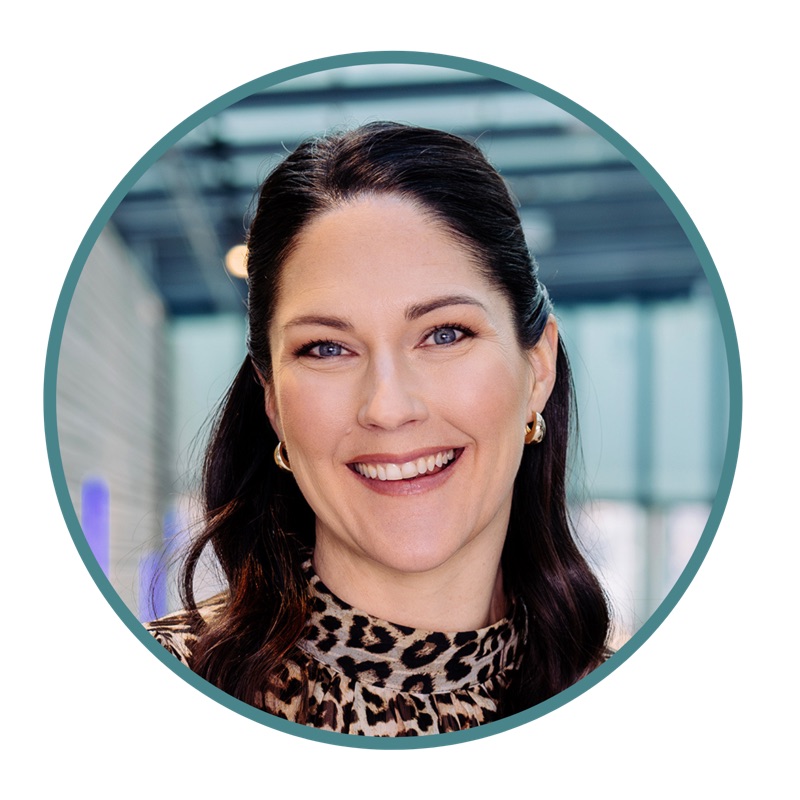
Helena joins for full-day and two-day formats. Her strength is building organisational AI capacity — how the decisions travel from the room into new ways of working.
Quick answers to the things people usually wonder about.
Book twenty minutes and I'll ask the questions I need to understand scope and come back with a proposal on format and price.